
Buying a home through probate can be a great opportunity for buyers looking for potential value, but the process is often longer and more detailed than a traditional real estate purchase. When someone asks how long does buying a house in probate take, the answer depends on several legal steps, court timelines, and the condition of the estate. Probate involves verifying the will, identifying heirs, valuing assets, and securing court approval for major decisions, including selling the property. Because these steps vary from case to case, the overall timeline can range widely. Many homeowners going through probate also begin wondering how much is my home worth in Federal Way, especially when evaluating the estate’s value. Additionally, buyers often request a Lake Tapps home valuation to better understand potential investment opportunities.
For many buyers, the extended waiting period can feel overwhelming, especially if they are unfamiliar with probate real estate. That is why understanding the probate sale timeline, what delays to expect, and how the process works can help you decide whether this type of purchase is right for you. Below is a clear breakdown of the timeline and the key factors that influence how long the process takes, along with tips to move the sale forward more efficiently.
How Long Does Probate Take
Before diving into the home-buying process, it is helpful to understand how long probate takes in general, because the sale cannot be completed until certain probate steps are finalized. Probate typically lasts anywhere from six months to over a year, depending on the state laws, the complexity of the estate, and whether family members agree on the terms.
What usually affects the length of probate:
- Whether the deceased had a valid will
- The number of heirs involved
- Property title issues
- Outstanding debts that must be settled
- Delays in the local probate court system
Since probate requires a judge’s approval at multiple stages, even small issues can push back the timeline. This is why properties sold during probate may take longer to close compared to standard real estate transactions.
Probate Sale
A probate sale refers to selling real estate that is part of an estate being settled in probate court. These sales follow a special process to ensure the transaction is legal and beneficial to all heirs.
During a probate sale, the executor manages the property, works with a real estate agent, lists the home, and waits for the best offer. Once an offer is accepted, the sale typically has to be reviewed and approved by the court. Depending on the state, the probate court may require formal hearings, confirmation steps, and notices to all interested heirs.
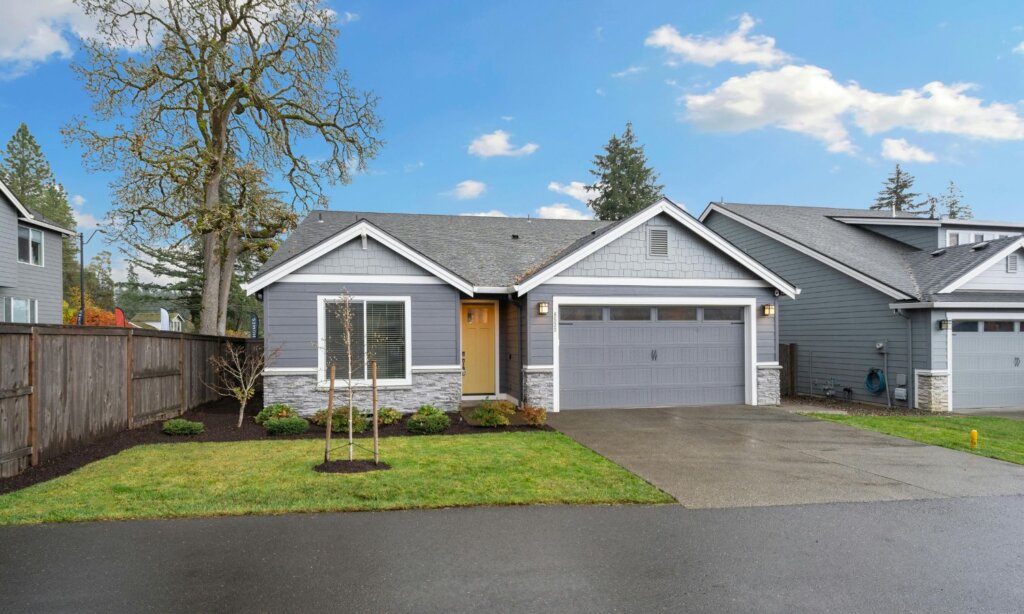
Key phases of a probate sale:
- Property appraisal ordered by the court
- Listing the home as a probate real estate property
- Receiving offers and submitting the highest one
- Court confirmation (required in many states)
- Final approval and closing
Because each phase requires communication between the executor, court, and heirs, delays are extremely common.
Probate Real Estate
Purchasing probate real estate involves navigating legal requirements that don’t apply in normal home sales. The probate court oversees the transaction to protect the interests of the heirs and ensure the estate follows the law. This oversight is the main reason probate real estate transactions take longer.
Things that slow down probate real estate purchases:
- Waiting for the executor to be officially appointed
- Delays in professional appraisal reports
- Court scheduling issues
- Heirs disputing the sale price or decision to sell
- Title problems discovered during review
Buyers interested in probate listings must be prepared for these potential slowdowns, which add to the overall timeline.
Factors that affect how long buying a house in probate takes
Even though every probate case is unique, here are the biggest reasons why the process may be quick or slow.
1. Court Approval Timelines
Probate courts often have backlogs, so getting a hearing or final confirmation can take weeks or even months.
2. Executor Preparedness
If the executor is organized, has gathered all documents, and cooperates with the real estate agent, the process moves much faster.
3. Condition of the Property
Homes requiring repair, inspections, or cleanup can extend the timeline significantly.
4. Number of Heirs Involved
More heirs means more signatures, more opinions, and more opportunities for disagreement.
5. Type of Probate Required
Some states offer simplified probate options, which can reduce the timeline, but others require full probate, which takes longer.
Typical timeline for buying a house in probate
While timelines vary, here is a general breakdown of how long the process may take:
1. Executor Appointment: 2-8 weeks
The court must officially grant authority to the executor before the home can be sold.
2. Appraisal and Listing: 3-6 weeks
The court-ordered appraisal must be completed before listing the home.
3. Offer Review and Hearing: 6-12 weeks
After receiving offers, the court schedules a confirmation hearing (not required in all states).
4. Closing: 4-6 weeks
Once approved, buyers complete financing, inspections, and final paperwork just like a traditional home purchase.
Total time: 4 to 12 months on average
This is why probate real estate requires patience.
What buyers can do to speed up the probate home-buying process
While buyers cannot control probate court timelines, they can take a few steps to help things move faster.
Helpful actions include:
- Getting mortgage pre-approval before making an offer
- Staying flexible with scheduling
- Being ready to submit extra documents when required
- Working with a real estate agent who has probate experience
- Maintaining open communication with the executor
A knowledgeable agent helps buyers avoid common mistakes that delay the sale.
Conclusion
Buying a probate home can take longer than a traditional purchase because the sale is tied to the court-supervised probate timeline. While the answer to how long does buying a house in probate take ranges from several months to a year, understanding the process can help you confidently navigate each step. If you’re planning to buy a home in the area and want expert support throughout the process, 253 Realty is here to guide you.
Reach out through our Contact Us page anytime to get started.
FAQs
What factors affect how long it takes to buy a house in probate?
Court schedules, appraisal delays, executor readiness, and heir disagreements are the biggest factors.
Is the probate home-buying process longer than a traditional purchase?
Yes, because court approval is required before closing.
How long does probate approval usually take before a buyer can close?
Anywhere from a few weeks to several months, depending on the court’s schedule.
Can delays in court or family disputes extend the probate buying timeline?
Absolutely. Disagreements between heirs are one of the most common causes of probate delays.
Is there anything a buyer can do to speed up the probate home-buying process?
Buyers can prepare financing, respond quickly to requests, and work with a probate-experienced agent.
Read Similar: Can I Sell My Deceased Parents House Without Probate?, How to Buy a Probate Sale House?
