
Buying a home can feel overwhelming, and it becomes even more confusing when the property is tied to a probate case. If you are exploring how to buy a probate sale house, you are likely hoping for a good deal but unsure how the process works. Probate homes can offer solid opportunities, but they come with rules, waiting periods, and court involvement that make the process different from a normal real estate transaction. This guide breaks the entire journey into simple steps so you can move forward confidently.
Working with an experienced realtor in Graham who understands probate real estate makes the path much easier, especially if you are buying for the first time. Edgewood home price evaluation can also help you understand the property’s value before making an offer.
What is Probate Estate
Before learning how to buy a probate sale house, it’s important to understand what a probate estate is. When a homeowner passes away, their assets do not transfer instantly to heirs. Instead, the estate must go through probate court, which verifies the will, appoints an executor, and legally oversees the distribution of property. This ensures the estate settles debts, pays taxes, and transfers the title correctly.
A home under a probate estate cannot be sold like a regular property. The executor must follow court instructions and sometimes receive explicit approval before listing or accepting an offer. Probate real estate moves at a slower pace because legal steps must be completed before closing.
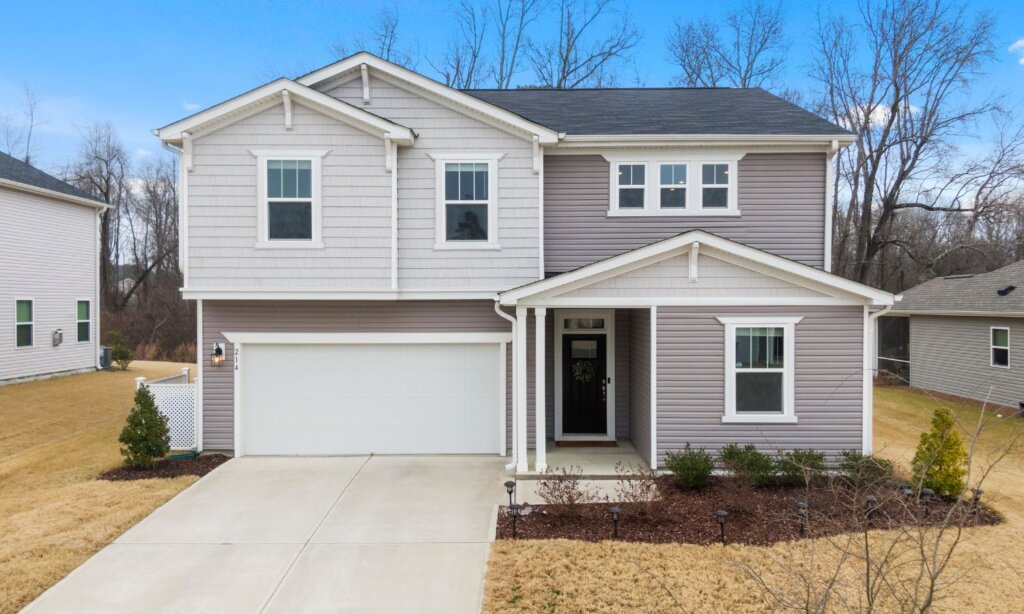
Probate Estate Basics:
- Probate is a court-regulated process that oversees how an estate is handled.
- The executor manages the estate on behalf of the deceased.
- Real estate cannot be sold until the court allows it.
- All proceeds from the sale go back into the estate before distribution.
Understanding this foundation will help you navigate the rest of the probate home-buying process smoothly.
Estate Sale Meaning
Many buyers confuse an estate sale with a standard home sale, so it helps to know the estate sale meaning in real estate terms. An estate sale takes place when the court authorizes the sale of property belonging to someone who has passed away. The goal is to liquidate assets so the estate can settle financial obligations and distribute whatever remains to the heirs.
Unlike a garage or personal-item estate sale, this type of estate sale directly involves real estate law and probate rules. You’re stepping into a transaction that is partly legal and partly financial, which is why patience plays a major role.
What makes an estate sale different?
- Court involvement may require additional paperwork.
- There may be competing heirs who must approve the transaction.
- Timelines are longer because probate court sets the pace.
- Buyers often need a stronger earnest-money deposit.
- Offers may be subject to court confirmation.
Knowing the estate sale’s meaning helps you understand why the process requires more steps than a normal purchase.
Estate Sale Definition
The estate sale definition in real estate is simple, it is the sale of a home owned by someone who has passed away, managed by the estate’s executor and overseen by probate court. Buyers must follow certain procedures, and the sale must comply with state laws.
Key points within the estate sale definition:
- The sale is initiated by an executor or administrator.
- The court may require appraisals, notices, or hearings.
- Buyers may need to attend court hearings for confirmation.
- Once approved, the property transfers through a probate-specific deed.
This definition is the foundation for understanding probate real estate and what makes the process unique.
Probate Real Estate
Now that you know the basic terms, you can better understand probate real estate. These properties are often priced competitively because the estate wants to move forward, but they’re still regulated by probate laws. Many buyers view probate real estate as an opportunity to purchase a home with less market competition.
However, it’s important to know that probate real estate also carries risks. The property might need repairs, communication with heirs can be slow, and court delays may push back closing dates.
Why buyers consider probate real estate:
- Lower competition compared to standard listings
- Potential below-market pricing
- Chance to invest in a property with strong long-term value
- Motivated sellers who want to settle the estate
Working with a knowledgeable probate agent or a trusted team like 253 Realty can simplify these challenges and keep the process on track.
How to Buy a Probate Sale House: Step-by-Step
Understanding the probate process helps you move forward. Here is a simple guide to buying a probate home:
1. Get pre-approved for financing
Probate sales require strong financial proof because the estate prefers buyers who can close once the court approves the sale.
2. Find probate property listings
Search local MLS, probate-specific listing platforms, or work with a probate-trained agent. You may also request a list directly from 253 Realty.
3. Make a competitive offer
Probate sales use strict guidelines, so your offer must follow legal requirements. Higher earnest money is often expected to show commitment.
4. Wait for court approval
This is the step that takes the longest. The court ensures the offer is fair and in the best interest of the estate.
5. Attend confirmation hearings (if required)
Some states require buyers to attend the hearing. At this stage, other buyers may also place overbids.
6. Complete inspections
Just like a regular home purchase, inspections help you understand the condition of the property before closing.
7. Close the sale
Once the court approves your offer and inspections are done, you can proceed to closing and transfer the title.
To make this entire process easier, consider reaching out through the Contact Us page for help from an experienced team.
Risks to Consider When Buying a Probate Sale House
While you can get good value, keep in mind:
- Probate timelines can extend for months.
- Properties may require repairs and be sold “as-is.”
- Heirs may dispute decisions, causing delays.
- Court rules can slow communication and approval.
A reliable local agent ensures you understand all risks before committing.
Conclusion
Buying a probate home takes patience, but it can also provide a strong investment opportunity when you understand the steps involved. With the right guidance, clear expectations, and support from local specialists, the process becomes more manageable.
If you want help navigating probate properties or need to buy a home in Graham, the team at 253 Realty is ready to guide you through every step. Reach out through the Contact Us page today and get started with confidence.
FAQs
What steps are involved in buying a probate sale house?
You must get pre-approved, view probate listings, submit a qualifying offer, wait for court approval, complete inspections, and close once the court releases the property.
Do probate homes sell for below market value?
Often yes. Estates prefer quick sales, so prices may be more flexible compared to regular listings.
How long does the probate home-buying process usually take?
Expect anywhere from 3-9 months depending on court schedules and estate complexities.
Do I need a special real estate agent to buy a probate property?
While not required, working with an experienced probate agent like the experts at 253 Realty makes the process easier.
What risks should I be aware of when purchasing a house in probate?
Court delays, potential overbidding, “as-is” property conditions, and extended approval times.
Read Similar: Who Owns a House During Probate?, How Long Does Buying a House in Probate Take?
