
If you are buying a property, one of the first questions that probably comes to mind is: how much for a home inspection? It is a valid concern because inspection costs are an additional expense during an already expensive process. However, skipping an inspection can lead to much bigger financial problems later. With guidance from 253 Realty and support from a trusted real estate agent Milton, buyers can better understand inspection costs and why this step is important before finalizing a purchase.
Many buyers feel tempted to avoid inspections to save money, especially in competitive markets where quick decisions matter. The problem is that hidden issues inside a property can cost thousands of dollars after closing. A home inspection helps reveal potential concerns before you commit to the purchase, giving you more confidence and negotiating power.
What Is A Home Inspection?
A home inspection is a professional evaluation of a property’s condition. During the inspection, a licensed inspector examines major systems and structural components to identify visible problems or safety concerns.
The inspection typically includes roofing, plumbing, electrical systems, HVAC systems, walls, ceilings, flooring, windows, doors, and foundations. Inspectors also look for signs of water damage, mold, poor maintenance, and other issues that may affect the value or safety of the home. This process is designed to help buyers make informed decisions. Instead of relying only on appearance, buyers receive a detailed report explaining the actual condition of the property. This can prevent costly surprises after moving in.
How Much Does A Home Inspection Usually Cost?
The cost of a home inspection varies depending on several factors, including the size, location, and condition of the property. In most cases, buyers can expect to pay anywhere between $300 and $700 for a standard inspection. Smaller homes or condos often fall on the lower end of the pricing range, while larger homes with additional features may cost more. Luxury homes, older properties, or homes with multiple systems usually require longer inspections, which increases pricing.
Location also affects inspection costs. Areas with a higher cost of living or strong housing demand often have higher inspection fees. While this expense may feel frustrating during the buying process, it is still far less expensive than unexpected repairs discovered later.
Why Inspection Costs Vary?
Many people assume all inspections cost the same, but several details influence the final price. Inspectors evaluate the time, complexity, and risk involved before setting their fees. Older homes generally cost more to inspect because they may contain outdated systems or hidden damage. Larger properties naturally require more time to evaluate thoroughly. Additional structures like detached garages, guest houses, or swimming pools can also increase the inspection cost.
Some buyers request specialized inspections in addition to the standard report. For example, mold inspections, sewer line inspections, pest evaluations, or radon testing are usually priced separately. Understanding these variables helps buyers set realistic expectations before scheduling an inspection appointment.
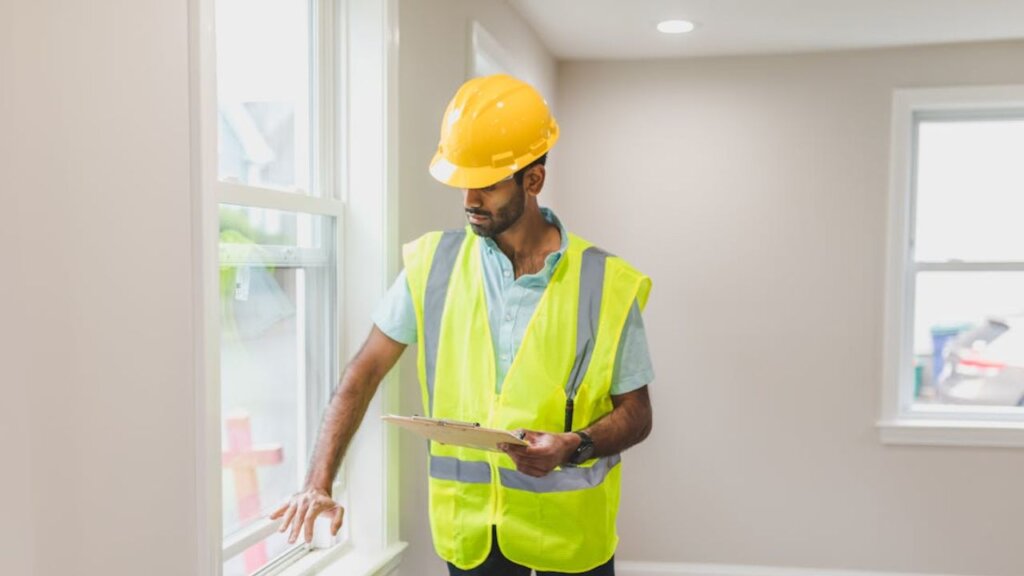
What A Home Inspection Includes
A standard home inspection focuses on evaluating the overall condition of the property and identifying visible concerns that could become expensive problems later.
Common Areas Included In A Home Inspection:
- Roof and attic condition
- Plumbing systems and water leaks
- Electrical panels and wiring
- HVAC systems and ventilation
- Foundation and structural components
- Doors, windows, and insulation
- Appliances and safety features
The inspection report provides a detailed overview of the home’s current condition, helping buyers understand potential repair needs before moving forward.
Why A Home Inspection Is Worth The Cost
Some buyers hesitate because they view inspections as just another transaction expense. In reality, inspections can save buyers thousands of dollars by revealing hidden issues early. For example, a home may look clean and updated during a showing, but the inspection could uncover roof leaks, plumbing damage, electrical hazards, or foundation concerns. Without an inspection, these problems often become the buyer’s responsibility after closing.
Inspections also give buyers negotiating leverage. If major concerns are found, buyers may request repairs, credits, or price adjustments before finalizing the sale. This can significantly reduce future repair expenses. More importantly, inspections provide peace of mind. Buying a home is a major investment, and understanding the property’s actual condition helps buyers make confident decisions.
What Happens During The Inspection Process
The inspection process is usually straightforward, but many first-time buyers are unsure about what to expect. Typically, the inspector spends several hours evaluating the property and documenting observations. Buyers are often encouraged to attend the inspection. This gives them an opportunity to ask questions and better understand the home’s systems and maintenance needs. Seeing issues in person can also make the final report easier to understand.
After the inspection is complete, the buyer receives a written report outlining any concerns, repairs, or maintenance recommendations. Some reports include photographs to provide additional clarity. The report does not automatically mean the deal will fail. Most homes have at least some minor issues, especially older properties. The important part is understanding which concerns are manageable and which may require immediate attention.
Should Sellers Get A Pre-Listing Inspection?
Home inspections are usually associated with buyers, but sellers can benefit from them too. A pre-listing inspection allows homeowners to identify issues before putting the property on the market. This approach helps sellers avoid surprises during negotiations and gives them an opportunity to complete repairs in advance. Buyers often feel more confident when sellers provide inspection information upfront because it creates transparency.
Pre-listing inspections can also help homes sell faster by reducing uncertainty. When major systems have already been evaluated, buyers may feel more comfortable making stronger offers.
How To Choose The Right Home Inspector
Not all inspectors provide the same level of service, so choosing the right professional matters. Buyers should look for inspectors with proper licensing, certifications, and positive reviews. Experience is especially important when inspecting older homes or properties with unique features. A knowledgeable inspector can identify warning signs that less experienced professionals may overlook.
Communication also matters. A good inspector explains findings clearly and answers questions in a way buyers can understand without feeling overwhelmed. Price should not be the only deciding factor. Choosing the cheapest option may lead to incomplete evaluations or missed issues that become expensive later.
Common Mistakes Buyers Make
One common mistake buyers make is waiving the inspection to make their offer more competitive. While this may help secure a property in a competitive market, it also increases financial risk. Another mistake is ignoring inspection findings because the home appears visually appealing. Cosmetic updates can sometimes hide deeper structural or system-related problems.
Some buyers also underestimate repair costs. Minor concerns listed in the report may seem small individually, but multiple issues can quickly become expensive when combined. Taking the inspection process seriously helps buyers avoid costly surprises after moving in.
How Inspection Reports Affect Negotiations
Inspection reports often become a major part of the negotiation process between buyers and sellers. If serious issues are discovered, buyers may request repairs, seller credits, or a price reduction. Sellers are not always required to agree to every request, but inspections create an opportunity for both parties to negotiate fairly based on the property’s condition.
In many cases, the goal is not perfection but transparency. Buyers simply want reassurance that the home is safe and reasonably maintained before completing the purchase.
Final Thoughts
When people ask how much for a home inspection, the better question may actually be how much it could cost to skip one. A professional inspection helps uncover hidden issues, protects your investment, and provides valuable negotiating power during the buying process.
Although inspection costs may feel like another financial hurdle, they are often a small price compared to unexpected repair expenses after closing. Taking the time to understand a property’s condition can save stress, money, and future complications. If you are preparing to buy or sell a home and need professional guidance, feel free to contact us for expert support and local market insights.
FAQs
How much for a home inspection on average?
Most standard home inspections typically cost between $300 and $700 depending on the property size, age, and location.
Who pays for the home inspection?
In most real estate transactions, the buyer pays for the home inspection as part of the due diligence process.
How long does a home inspection take?
A standard inspection usually takes between 2 and 4 hours depending on the size and condition of the property.
Can a home fail an inspection?
Technically, homes do not “pass” or “fail” inspections. The report simply identifies issues and concerns that buyers should know about.
Is a home inspection required when buying a house?
Home inspections are not always legally required, but they are highly recommended because they help buyers identify hidden problems before closing.
