
Selling a home can feel stressful, especially when inspection requirements start coming into the picture. If you are wondering how to pass a 4-point home inspection, the key is understanding what inspectors are looking for and addressing issues before they become problems. With guidance from 253 Realty and an experienced Fife real estate agent, homeowners can prepare their properties more confidently and avoid surprises during the selling process.
Many sellers panic when they hear the term “4-point inspection” because they assume their home will fail immediately if it is older. In reality, the process is focused on four major systems of the home. A little preparation can make a major difference in how smoothly the inspection goes and whether buyers or insurance companies feel comfortable moving forward.
What Is A 4-Point Home Inspection?
A 4-point home inspection is a limited inspection that focuses on four important areas of a property: roofing, electrical, plumbing, and HVAC systems. Insurance companies often request this inspection for older homes before approving or renewing coverage.
Unlike a full home inspection, this process is more targeted. The inspector wants to determine whether the home’s major systems are functioning safely and whether there are signs of damage, aging, or poor maintenance. Buyers may also request this inspection before closing to understand the overall condition of the property.
For many homeowners, the biggest issue is not knowing what inspectors actually evaluate. This uncertainty creates anxiety, especially if the property has not been updated in years. The good news is that most inspection concerns can be identified and corrected before the official visit.
Why Homes Fail A 4-Point Inspection
Many homes fail inspections because owners overlook maintenance issues that appear minor but signal larger concerns to inspectors. Even small leaks or outdated wiring can raise red flags because they suggest future repair costs or safety risks.
Older homes are especially vulnerable because systems naturally wear down over time. Roof deterioration, outdated electrical panels, plumbing leaks, and poorly maintained HVAC units are among the most common reasons properties fail. In many cases, sellers discover problems only after the inspection report is completed, which can delay the transaction or reduce buyer confidence. Understanding these common issues early allows homeowners to take preventive steps before listing their property. Preparation not only improves inspection results but also creates a smoother experience for buyers.
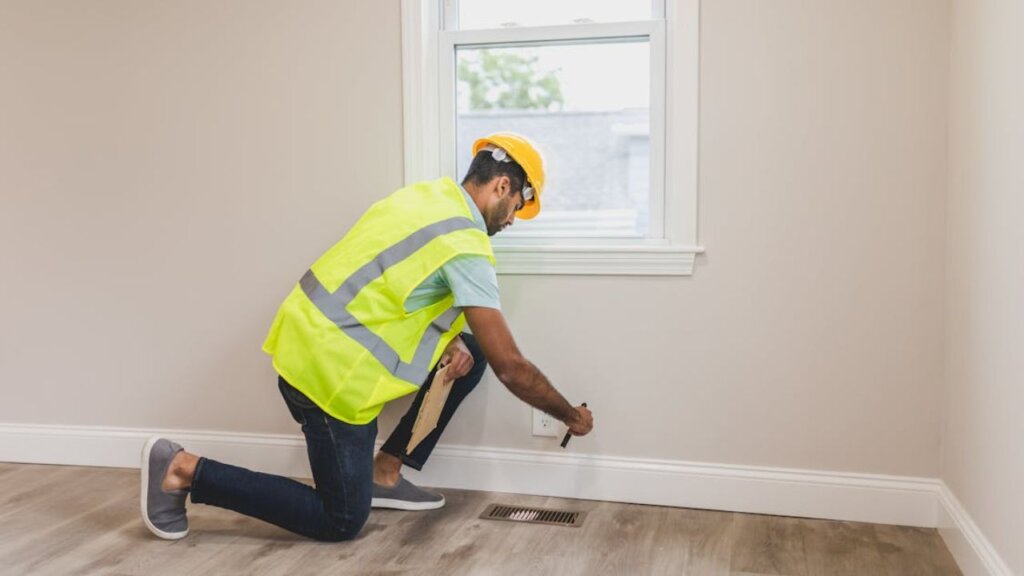
The Four Main Areas Inspectors Evaluate
1. Roofing System
The roof is one of the first things inspectors examine because it protects the entire property from water damage and structural problems. Missing shingles, sagging areas, leaks, or visible wear can quickly become concerns. Inspectors also estimate the roof’s remaining lifespan. If the roof appears near the end of its life expectancy, insurance providers may require repairs or replacement before approving coverage.
2. Electrical System
Electrical safety is another major focus during the inspection. Older wiring systems, overloaded panels, exposed wires, or outdated breaker boxes can create fire hazards. Inspectors check whether the electrical system appears safe and functional for everyday use. Modern updates often improve inspection outcomes and reassure buyers that the property is well maintained.
3. Plumbing System
Plumbing inspections look for leaks, corrosion, water damage, and pipe conditions. Small plumbing problems can signal larger hidden issues inside walls or under flooring. Homes with older galvanized pipes may face additional scrutiny because these systems are more likely to corrode and restrict water flow over time.
4. HVAC System
Heating and cooling systems are checked to ensure they operate properly and safely. Inspectors often note system age, visible damage, maintenance history, and overall functionality. An HVAC unit that struggles to cool or heat effectively may become a concern for buyers and insurers alike.
How To Prepare Before The Inspection
Preparing your home in advance is one of the best ways to improve inspection results. Sellers who wait until after the inspection report often spend more money and deal with unnecessary delays.
Start by walking through your property and looking for visible problems. Pay attention to stains on ceilings, dripping faucets, damaged outlets, or unusual HVAC noises. Small issues may seem harmless but can negatively affect the inspector’s overall impression of the home. It also helps to gather maintenance records and receipts for recent repairs or upgrades. Documentation shows buyers and inspectors that the home has been cared for properly over time.
Simple Steps That Can Improve Your Chances
- Replace broken or missing roof shingles
- Fix plumbing leaks and water stains
- Service the HVAC system before inspection day
- Replace exposed or damaged wiring
- Test smoke detectors and electrical outlets
- Clean around HVAC units and electrical panels
- Ensure all utilities are active during the inspection
These small improvements can create a much better inspection experience and help avoid unnecessary concerns during the report process.
Why Preventive Repairs Matter?
Preventive maintenance is often less expensive than emergency repairs after a failed inspection. Many buyers become hesitant when inspection reports reveal multiple unresolved problems because they worry about hidden expenses later.
Making repairs before listing your property can also Making repairs before listing your property can also improve negotiation power and support the appraisal repair verification process during later stages of the transaction. Buyers feel more confident when they see a home that appears cared for and move-in ready. Even basic upgrades and maintenance can create a stronger impression during inspections and showings. Another advantage is speed. Homes with fewer inspection concerns usually move through the closing process more efficiently, reducing stress for everyone involved.
Should You Get A Pre-Inspection?
A pre-inspection can help homeowners identify issues before buyers or insurance companies do. This allows sellers to fix concerns early rather than negotiating repairs under pressure later.
Many homeowners avoid pre-inspections because they fear discovering expensive problems. However, finding issues early often saves money in the long run and prevents unexpected delays during closing. A pre-inspection also provides a clearer understanding of the property’s condition, which helps sellers price their home more accurately and confidently.
How Buyers React To Inspection Reports
Buyers often view inspection reports as a reflection of how well a home has been maintained. A clean report builds trust and confidence, while multiple unresolved concerns may lead buyers to renegotiate or walk away.
This is why presentation matters beyond cosmetic appearance. Buyers want reassurance that the property’s major systems are safe and functional. Even if the home is older, evidence of regular maintenance can significantly improve buyer perception. Addressing concerns before the inspection also reduces the chances of last-minute negotiations that may affect the sale price.
Common Mistakes Sellers Should Avoid
One of the biggest mistakes homeowners make is ignoring small maintenance issues because they believe buyers will not notice them. In reality, inspectors are trained to identify warning signs quickly.
Another mistake is attempting temporary cosmetic fixes instead of proper repairs. Covering stains with paint without solving the leak source may create bigger concerns during the inspection. Some sellers also forget to provide clear access to important areas like electrical panels, attics, or HVAC systems. Limited access can delay the inspection and create unnecessary complications.
Final Thoughts
Passing a 4-point home inspection is less about having a perfect property and more about showing that the home has been properly maintained. Buyers and insurance providers mainly want reassurance that the major systems are safe, functional, and unlikely to create immediate problems.
By preparing early, handling repairs proactively, and understanding what inspectors evaluate, homeowners can reduce stress and improve their chances of a smooth transaction. If you are planning to sell your property and need guidance through the process, feel free to contact us for expert support and local real estate insights.
FAQs
What does a 4-point home inspection include?
A 4-point inspection focuses on the roof, electrical system, plumbing system, and HVAC system to evaluate their condition and safety.
Can an old house pass a 4-point inspection?
Yes, older homes can pass if the major systems are well maintained and free from serious safety or functionality concerns.
How long does a 4-point inspection take?
Most inspections take between 30 minutes and 2 hours, depending on the size and condition of the property.
Do sellers need to fix everything before inspection?
Not necessarily. However, addressing major concerns before the inspection can improve buyer confidence and reduce negotiation issues.
Can a failed 4-point inspection stop a home sale?
It can create delays or insurance challenges, but many issues can be repaired and resolved before closing.
