
After a home inspection, buyers often feel relieved to finally know the condition of the property. However, another important question quickly follows: who verifies repairs after home inspection? This step matters because buyers want confirmation that agreed repairs were actually completed correctly before closing the deal. With support from 253 Realty, buyers and sellers can better understand how repair verification works and avoid unnecessary stress during negotiations. Buyers working with a real estate agent Steilacoom can also receive valuable guidance throughout this process.
Many real estate transactions become tense after inspection reports reveal issues with the property. Buyers worry repairs may not be completed properly, while sellers want to move the process forward without delays. Clear verification helps both sides feel more confident and keeps the transaction on track.
Why Repair Verification Matters
Home inspection reports often uncover problems ranging from small maintenance concerns to major structural or system-related issues. Once repairs are negotiated, buyers naturally want proof that the work has been completed properly before finalizing the purchase.
Without verification, buyers may unknowingly inherit unresolved issues after closing. Problems such as plumbing leaks, electrical hazards, roof damage, or HVAC malfunctions can become expensive very quickly. This is why repair verification is such an important part of the transaction process. Verification also protects sellers. When repairs are documented properly, sellers reduce the chances of future disputes about whether agreed work was completed before closing.
Who Typically Verifies Repairs?
In most real estate transactions, repair verification can be handled by different parties depending on the agreement, repair type, and buyer concerns.
1. The Original Home Inspector
One of the most common options is having the original home inspector return to verify repairs. Since the inspector already evaluated the property during the first inspection, they understand the original issues and can confirm whether corrections were completed. Buyers often prefer this option because the inspector provides an independent opinion rather than relying only on seller statements or invoices.
2. Licensed Contractors
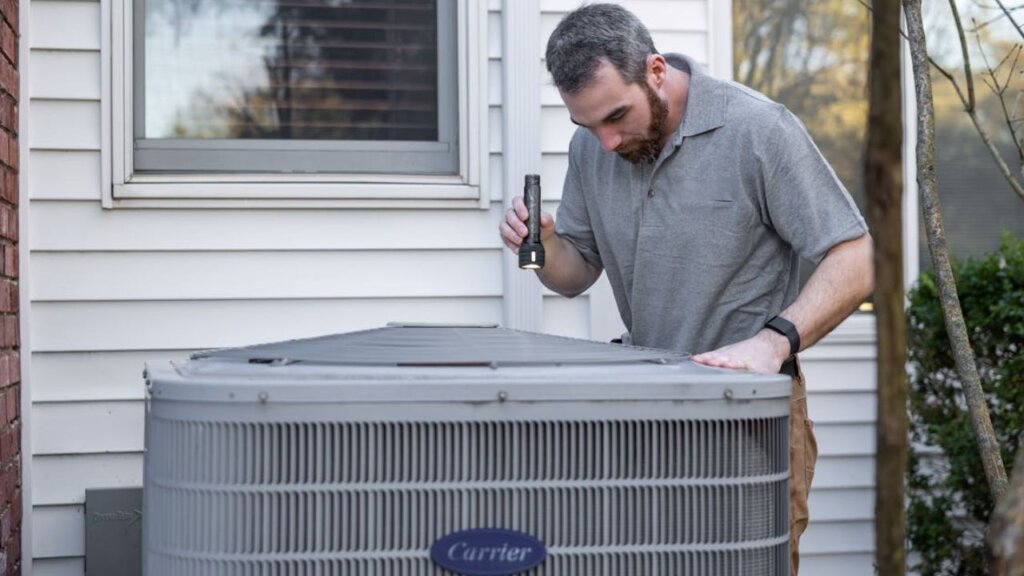
For specialized repairs, licensed contractors may verify the work. This is especially common for roofing, electrical, plumbing, or HVAC repairs where technical expertise is required. Contractors can provide receipts, warranties, permits, and written confirmation that repairs were completed according to professional standards.
3. The Buyer
In some situations, buyers personally review completed repairs during the final walkthrough. This usually happens with minor cosmetic fixes or simple maintenance tasks. However, buyers should be cautious about relying only on visual checks for complex repairs. Certain issues may require professional verification to ensure the work was done correctly.
4. The Real Estate Agents
Real estate agents sometimes help coordinate repair documentation and communication between buyers and sellers. While agents may assist with organizing invoices or scheduling walkthroughs, they typically do not verify technical repair quality themselves. Their role is usually focused on keeping the transaction organized and ensuring all parties stay informed.
How Repair Verification Usually Works
The process of verifying repairs is often straightforward, but it depends on the terms negotiated after the inspection report. Once repairs are completed, sellers usually provide invoices, receipts, or contractor documentation showing the work was done. Buyers then decide whether they want additional verification before closing.
If the buyer requests reinspection, the inspector or contractor revisits the property to confirm the issues were corrected properly. A follow-up report may then be provided documenting the updated condition. This process helps reduce misunderstandings and gives buyers greater confidence before signing final paperwork.
Common Repairs That Often Require Verification
Certain repair issues are more likely to require professional confirmation because they involve safety risks or major system functionality.
Common Repairs Buyers Often Verify:
- Roof leaks or roof replacements
- Electrical panel repairs
- Plumbing leaks and pipe replacements
- HVAC system repairs
- Foundation concerns
- Mold remediation
- Water damage repairs
These repairs can significantly impact the value and safety of the property, which is why buyers often request documentation and reinspection.
Why Buyers Should Not Skip Verification
Some buyers assume repair receipts automatically guarantee quality work. Unfortunately, that is not always true. A receipt only confirms someone was paid to perform the work. It does not necessarily confirm the repair was completed correctly. Skipping verification can create problems after closing when repair issues resurface. At that point, resolving disputes becomes more difficult because ownership has already transferred.
Verification also helps buyers understand the condition of the property more clearly. Even if repairs were completed, buyers may learn additional maintenance recommendations during the follow-up review.
What Sellers Should Know About Repair Requests
Sellers often feel frustrated after inspection negotiations because repair requests can slow the process down. However, transparency and cooperation usually help transactions move more smoothly. Providing detailed invoices, contractor information, and warranties creates trust with buyers. Sellers who handle repairs professionally often reduce negotiation tension and improve the likelihood of closing successfully.
Trying to cut corners with temporary fixes can create bigger issues later. Buyers may become suspicious if repairs appear incomplete or undocumented, which can damage confidence in the entire transaction.
Can Buyers Ask For A Reinspection?
Yes, buyers can absolutely request a reinspection after repairs are completed. In many cases, this is written directly into the repair agreement during negotiations. A reinspection allows the original inspector to verify whether the agreed issues were resolved properly. The cost of reinspection is usually lower than the original inspection fee because the inspector focuses only on repaired items.
Buyers often find this additional step worthwhile because it provides reassurance before moving forward with closing.
What Happens During The Final Walkthrough?
The final walkthrough usually occurs shortly before closing and serves as one last opportunity for buyers to review the property condition.
During this walkthrough, buyers confirm:
- Repairs were completed
- The property remains in expected condition
- No new damage has occurred
- Included appliances or fixtures remain in place
While walkthroughs are important, they are not replacements for professional repair verification. Buyers should still rely on licensed inspectors or contractors when major repairs are involved.
Potential Problems With Unverified Repairs
Unverified repairs can create financial and legal complications after closing. Buyers who discover unresolved problems later may face unexpected repair expenses and frustration. For example, a seller may claim a plumbing leak was repaired, but without proper verification, hidden damage could still exist behind walls or under flooring. Similarly, cosmetic fixes may hide larger structural concerns temporarily.
These situations often lead to disputes between buyers and sellers. Proper documentation and verification reduce the chances of these issues occurring.
How Repair Negotiations Affect Closing Timelines
Repair negotiations and verification can sometimes extend the closing timeline, especially when contractors are busy or permits are required. While delays may feel stressful, rushing the process can create bigger problems later. Clear communication between buyers, sellers, inspectors, and agents helps keep the process organized. Setting realistic deadlines for repairs and verification also helps avoid confusion during the final stages of the transaction.
Patience during this phase often pays off because buyers gain greater confidence in the property’s condition before taking ownership.
Tips For Buyers And Sellers During Repair Verification
Helpful Tips To Keep The Process Smooth:
- Get all repair agreements in writing
- Request invoices and contractor documentation
- Use licensed professionals for major repairs
- Schedule reinspection if necessary
- Keep communication clear between all parties
- Avoid waiting until the last minute before closing
These simple steps help reduce misunderstandings and create a more organized transaction experience for everyone involved.
Final Thoughts
Understanding who verifies repairs after home inspection is important because it protects both buyers and sellers during the final stages of a real estate transaction. Verification ensures repairs were completed properly, reduces uncertainty, and helps prevent expensive surprises after closing.
Whether verification comes from the original inspector, licensed contractors, or documented walkthroughs, the goal is always the same: making sure the property meets the agreed conditions before ownership transfers. If you are buying or selling a home and need guidance through inspection negotiations, feel free to contact us for professional real estate support and local market expertise.
FAQs
Who usually verifies repairs after a home inspection?
The original home inspector, licensed contractors, buyers, or sometimes specialists may verify repairs depending on the type of work completed.
Can buyers request a reinspection before closing?
Yes, buyers can request a reinspection to confirm agreed repairs were completed properly before finalizing the transaction.
Do sellers have to provide proof of repairs?
In many cases, yes. Buyers often request invoices, receipts, warranties, or contractor documentation for completed repairs.
What if repairs are not completed before closing?
Buyers and sellers may renegotiate terms, delay closing, request credits, or place funds in escrow until repairs are finished.
Is a final walkthrough the same as repair verification?
No. A final walkthrough is a general property review, while repair verification specifically confirms agreed repairs were completed correctly.
